Muha Meds wholesale empty hardware-only Pros and Cons for B2B buyersRiley McKinley
Jan 29, 2026
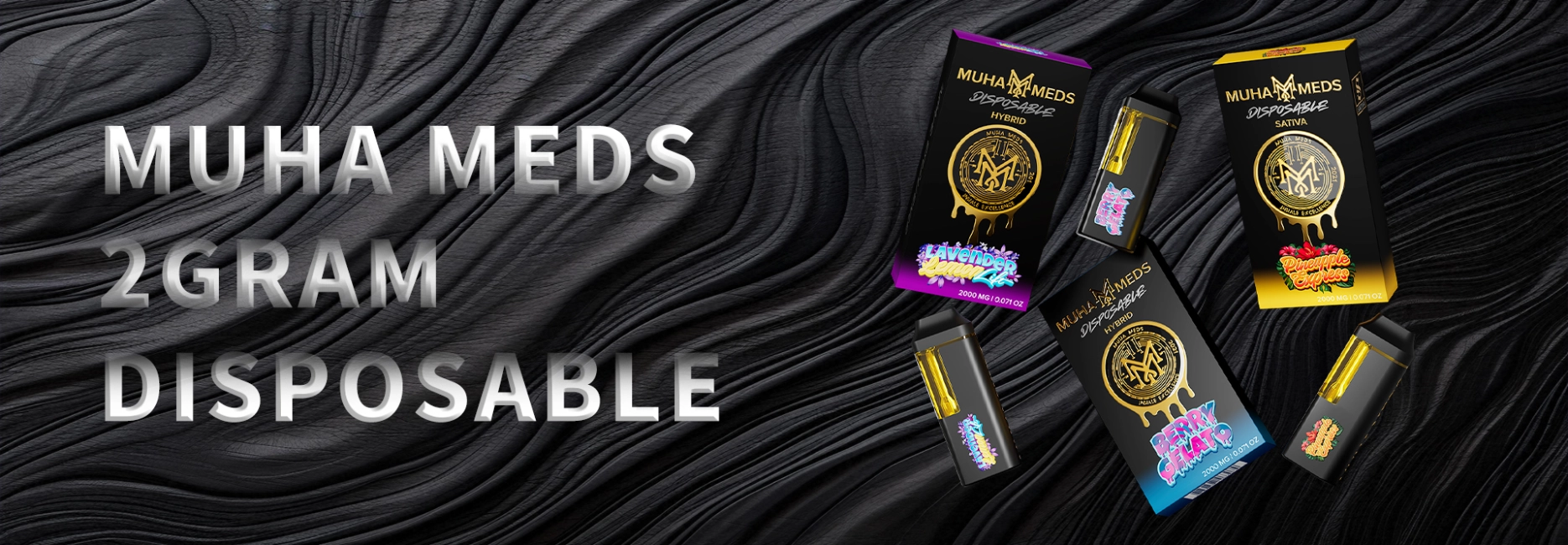
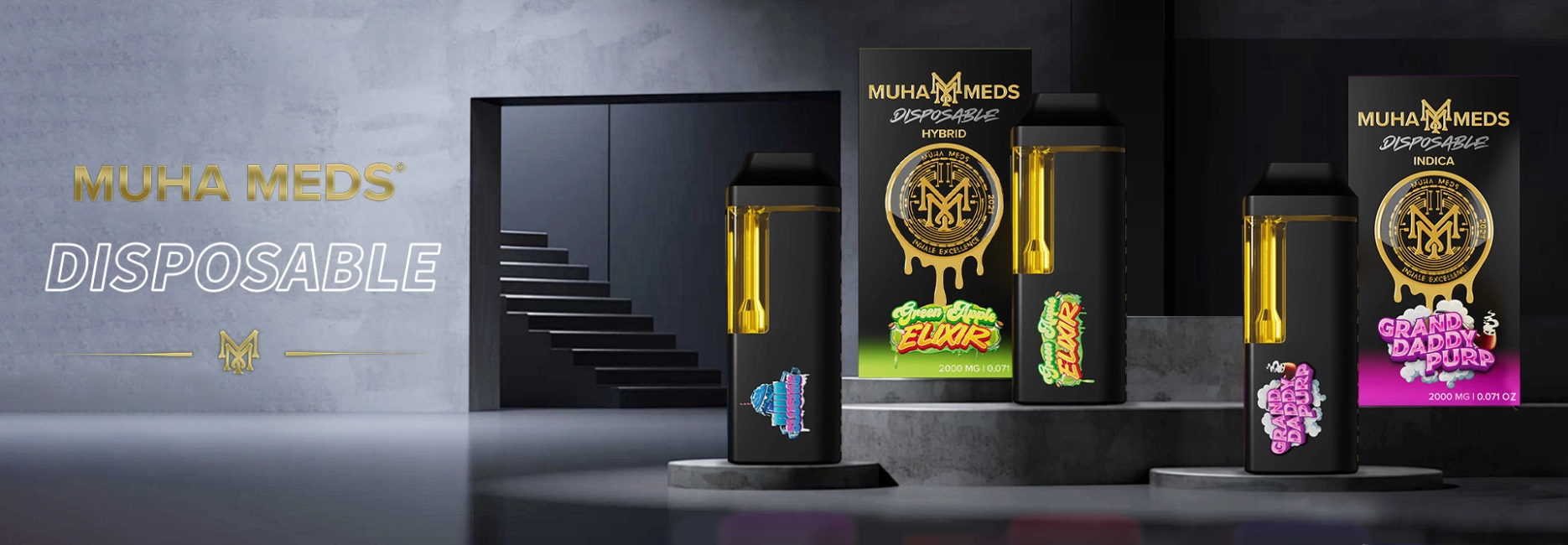
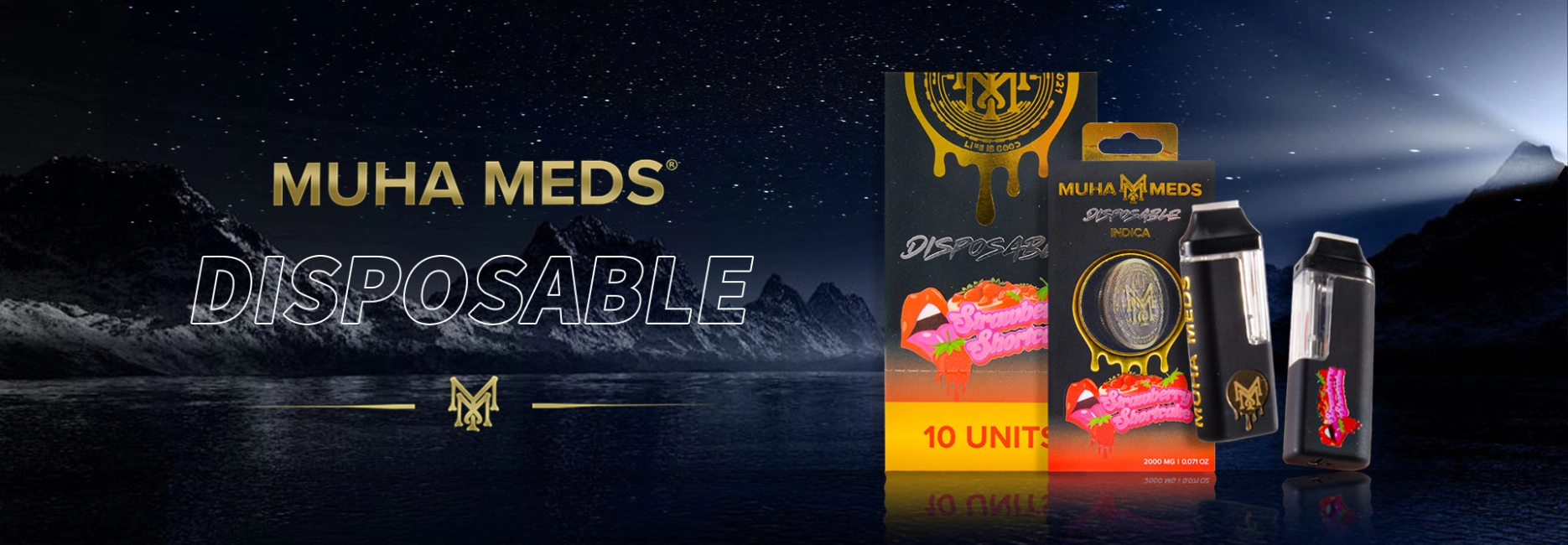
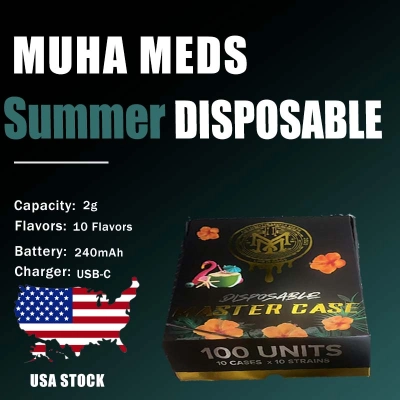
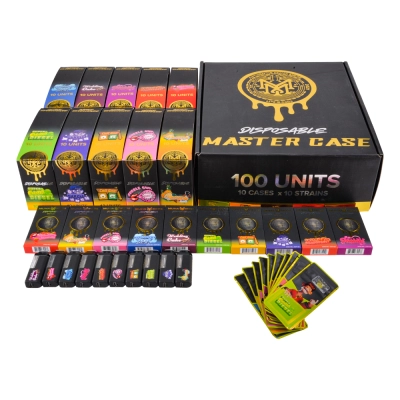
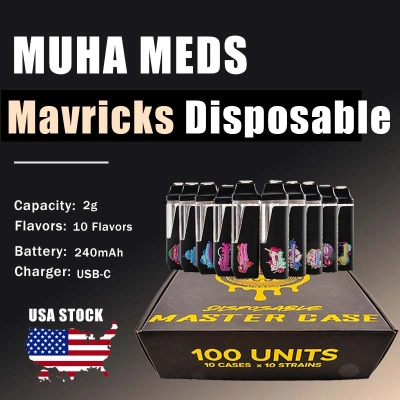
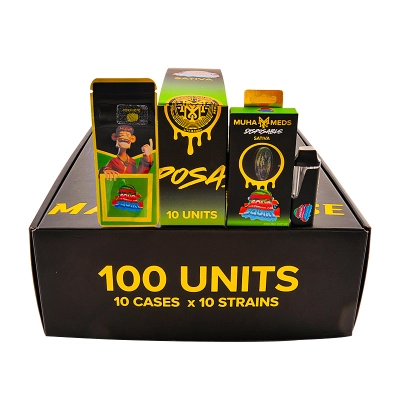
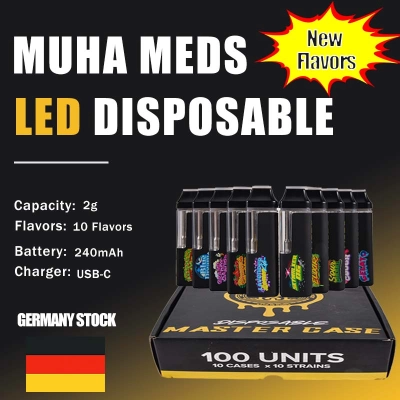
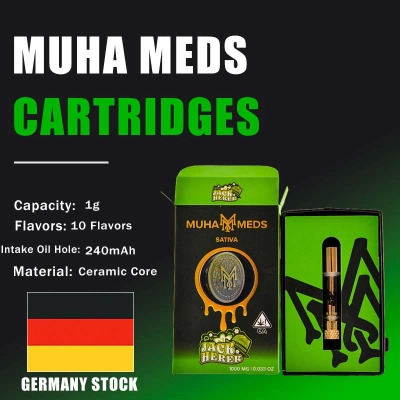
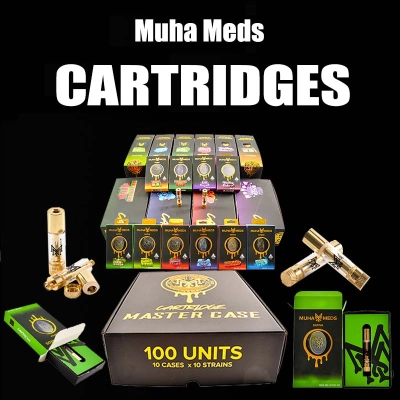
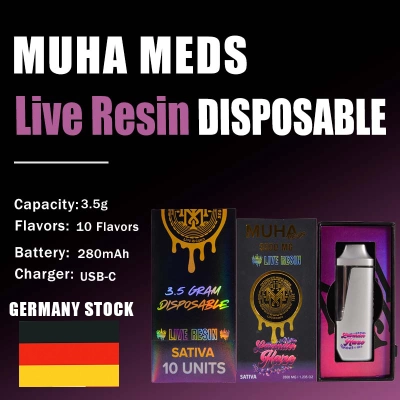
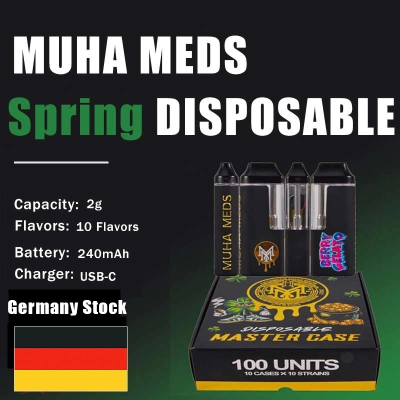
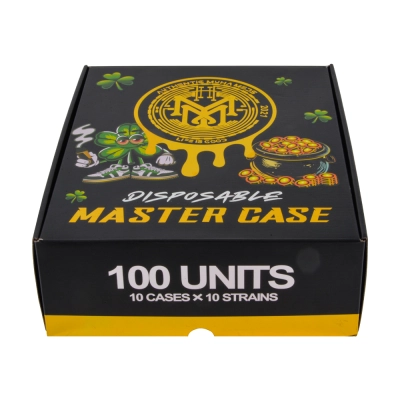
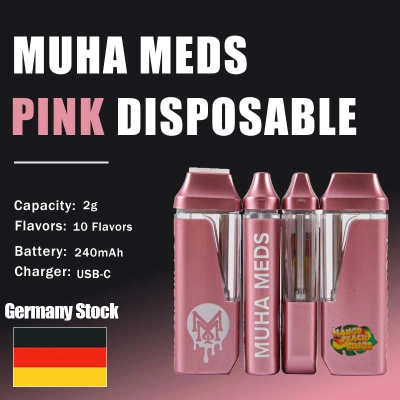
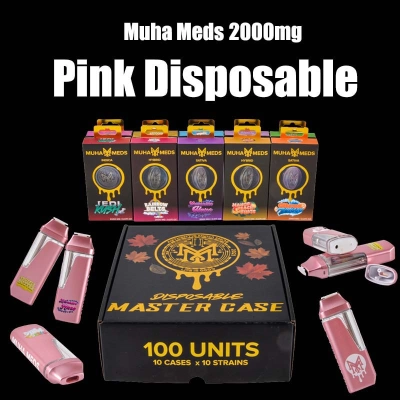
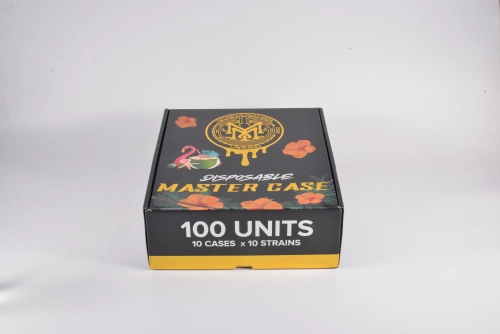
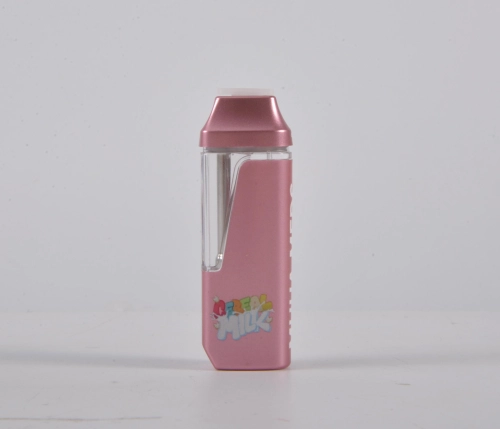
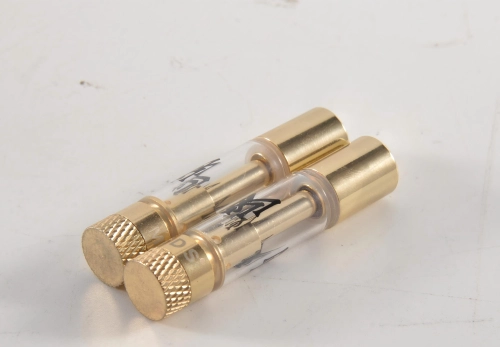
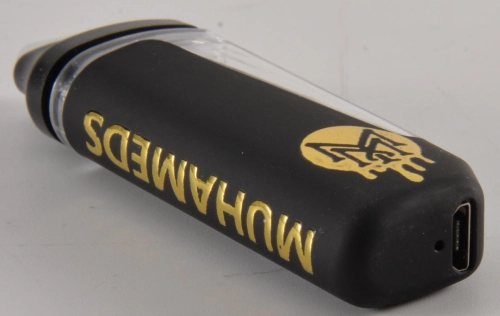
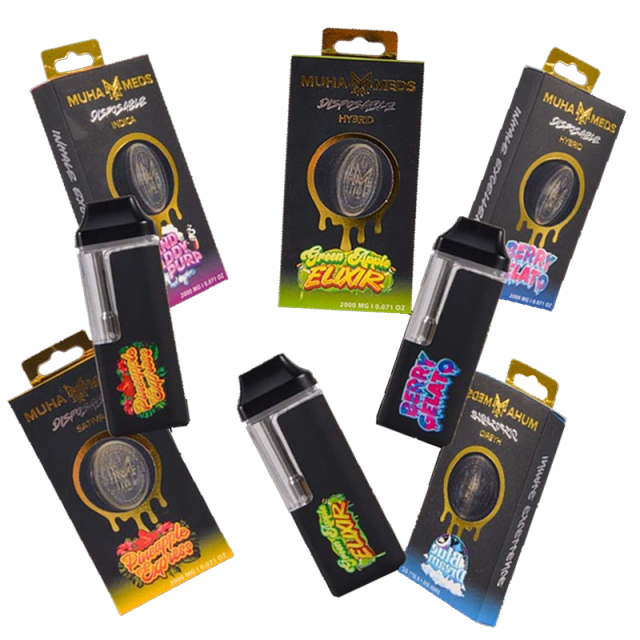
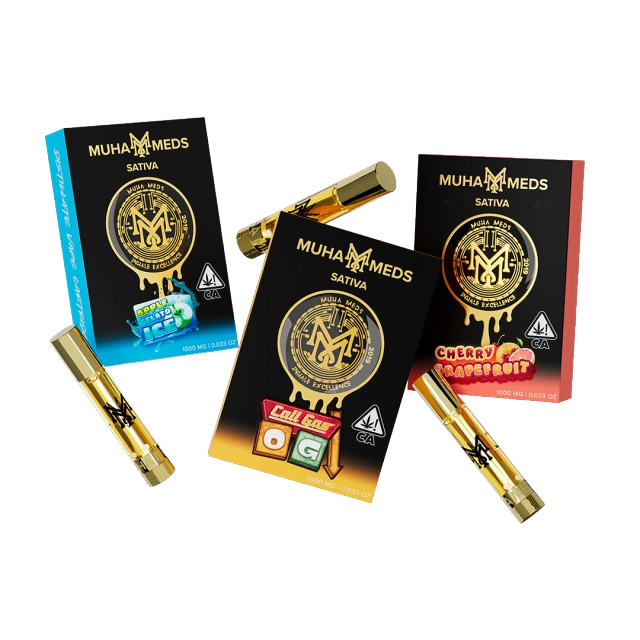
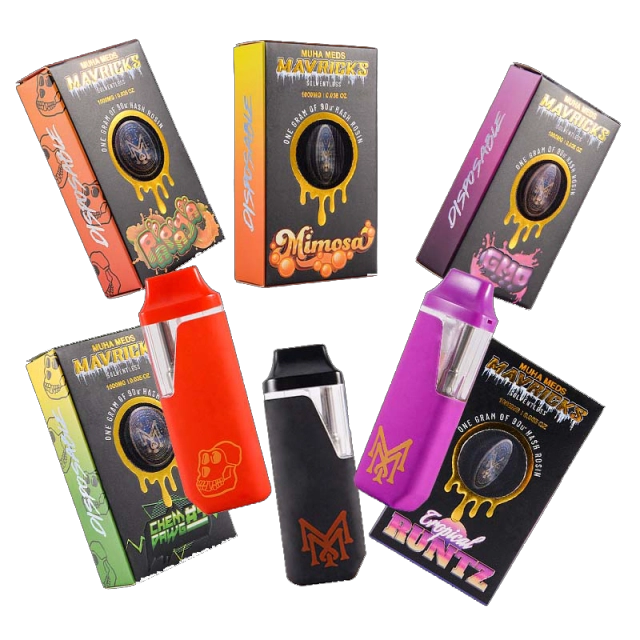
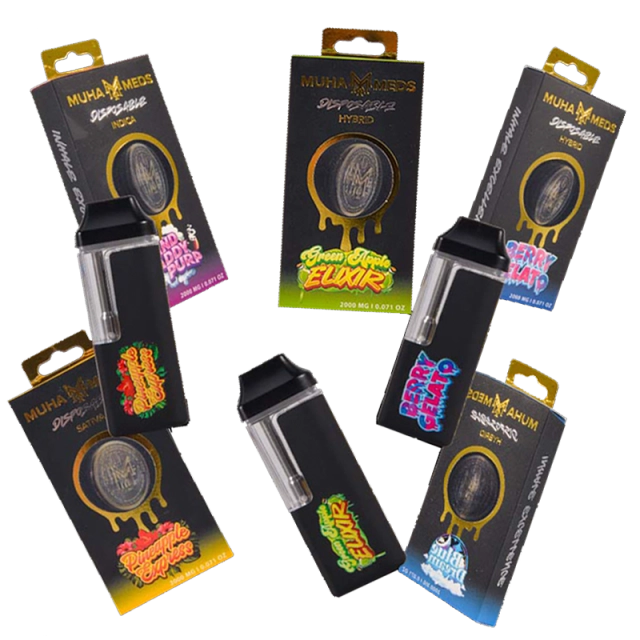
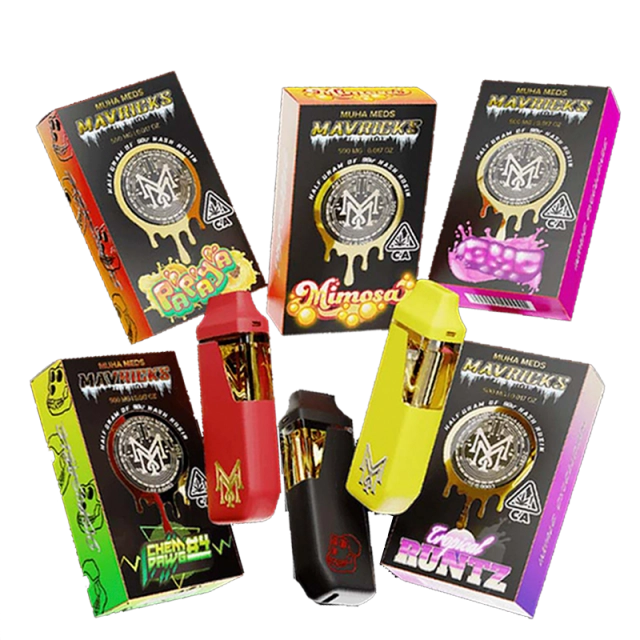
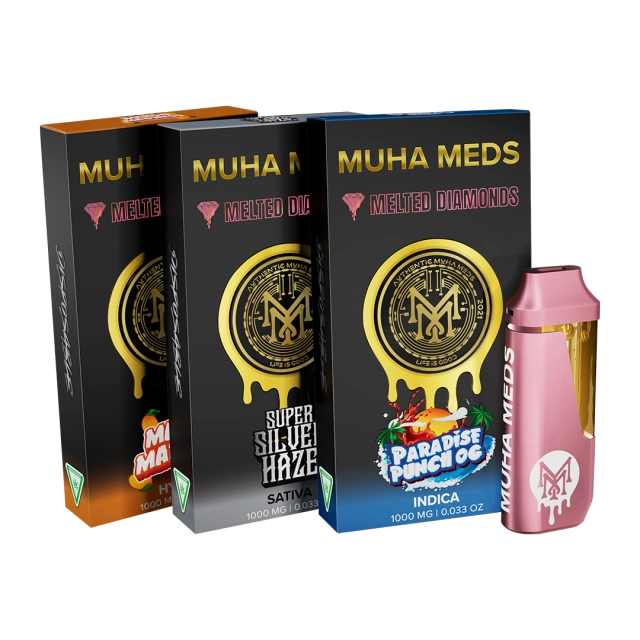
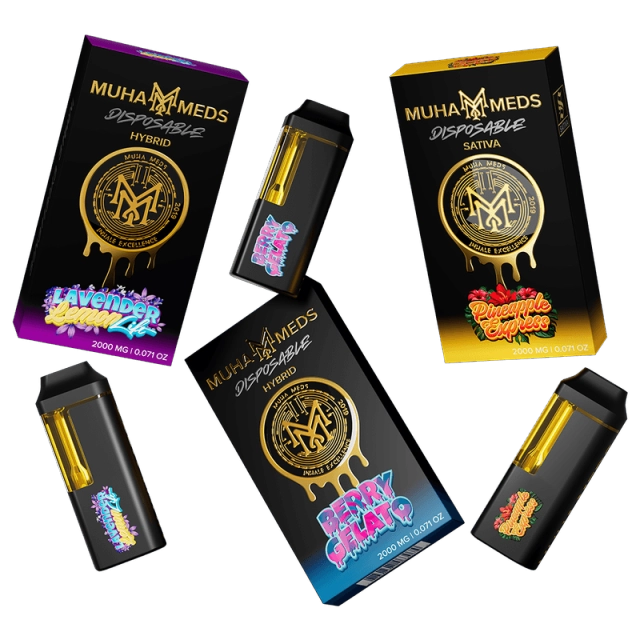
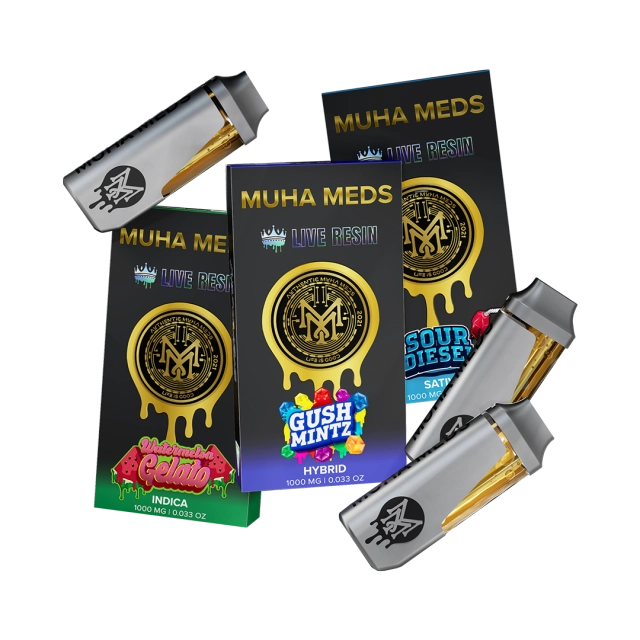
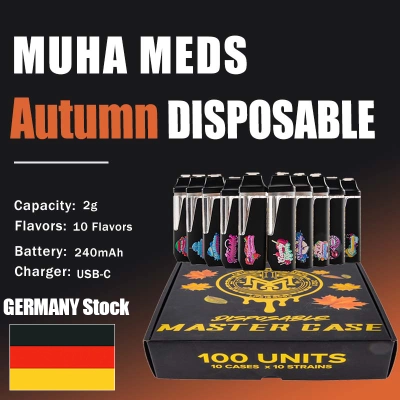
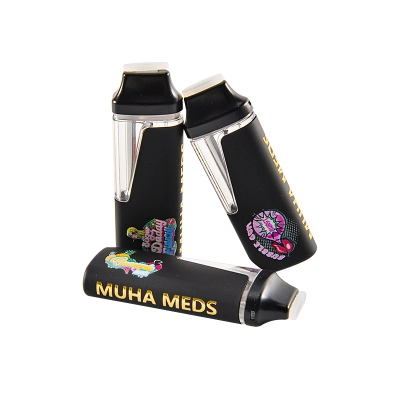
Muha Meds wholesale empty hardware-only Pros and Cons for B2B buyers You buy muha meds wholesale empty hardware-only for your business. You do not buy oil, nicotine, or THC/CBD. This area grows by 8.7% every year because more people want it. You care about quality, rules, and making money. You also deal with risks like fake products. The vape wholesale market in cannabis wants good products and real ones. Key Takeaways Buying Muha Meds wholesale empty hardware helps you spend less. Bigger orders make each item cost less, so you earn more money. Always check your suppliers to stop fake products. Look at licenses, batch numbers, and ask for lab reports to make sure they are real. Use good quality control steps. Test samples before you buy a lot, and keep clear records to keep your brand safe. Pros of Muha Meds Wholesale Hardware Cost Savings and Profit Margins You want to make more money when you buy empty hardware. Muha Meds wholesale gives you better prices if you buy more. The bigger your order, the less you pay for each item. For example, if you buy 500 disposable units, each costs $2.95. If you buy 5,000 units, each costs $2.50. These prices are lower than most other brands for empty vape hardware. Look at the table below to compare prices: Order Quantity Price per Unit Industry Standard Comparison 500 $2.95 Lower than usual market prices 1,000 $2.75 Good price 5,000 $2.50 Matches bulk discount deals 10,000+ Lower rates available Better than most bulk discounts You only buy empty hardware. You do not buy oil, nicotine, or THC/CBD. This helps you save money and lets you fill the hardware yourself. Quality Assurance and Compliance You need products that work well for your business. Muha Meds wholesale hardware gets tested by outside labs. Each batch has Certificates of Analysis (COAs) to show it is safe. The table below shows how Muha Meds hardware meets state rules for heavy metals and pesticides: State Heavy Metals Tested Lead Limit (µg/g) Pesticides Tested CA 5 0.5 66 CO 4 0.5 20 OK 2 1.0 14 You can ask for ISO certificates and COAs with every order. This helps you follow cannabis laws with your empty hardware. You do not have to worry about oil, nicotine, or THC/CBD. Product Variety and Customization Muha Meds wholesale gives you many choices. You can pick disposable vapes, cartridges, and other types. The table below shows the main options: Hardware Type MOQ Price Range (USD) Cartridge 100+ $1.80 - $2.50 Disposables 500+ $2.50 - $2.95 Pods & Other Formats N/A N/A You can change your order to match your brand. Pick different sizes, colors, and packaging for your hardware. You only buy empty hardware, so you can fill it with your own cannabis concentrate. Supply Chain Flexibility You need a supply chain that works for you. Muha Meds wholesale lets you order in bulk and get quick help. You can buy 500 or 5,000 disposable units, depending on what you need. It usually takes 2-4 weeks to make standard orders. Custom orders can take up to 6 weeks. Suppliers answer fast, often in two hours, to help you plan your stock. Feature Benefit Bulk Purchasing Saves money and lets you buy more. Customization of Orders Makes products fit your needs better. Supply Consistency Helps you always have enough products for your business. You only buy empty hardware. You do not buy oil, nicotine, or THC/CBD. This gives you more control over your products and quality. Risks of Muha Meds Wholesale Hardware Counterfeit and Unregulated Products There are real risks if you buy empty hardware from unknown sellers. Fake Muha Meds hardware can get into the market when people do not follow the rules. These fake products may look real but use bad materials. You only buy empty hardware, not oil, nicotine, or THC/CBD, so you must check each batch to make sure it is real. Counterfeit hardware can hurt your business and your customers. You can use these ways to check your products: Method Description QR Code Verification Scan the QR code on the box to see if it is real. Batch Number Matching Check the batch number with lab reports on the maker’s website. Customer Support Contact Call customer support with your lot number to check if it is real. Licensed Distributors Only buy from legal sellers or trusted vendors. Check their license numbers. Request Lab Reports Ask for the Certificate of Analysis for your batch and check the details. Inspect Packaging Look for seals that show tampering, QR codes, and clear labels. Evaluate Reviews Look for new reviews on other websites, forums, or business lists. Test Communication Contact the supplier using their real contact info. Ask questions about their products. Tip: Always ask for lab reports and scan QR codes before you fill your hardware with cannabis concentrate. Legal and Compliance Challenges You have to follow strict rules when buying empty hardware for vaping. Legal problems can happen if you buy products that do not meet safety rules or do not have the right papers. You need to check every seller and make sure they have the right licenses. Some common problems are: Trouble checking if the supplier is real Missing or wrong paperwork Issues with how you pay Making sure the product is real Following safety rules You might also see problems like prices that are too low, missing business licenses, bad communication, or unclear return rules. These things can make you lose money or get into legal trouble. You only buy empty hardware, not oil, nicotine, or THC/CBD, so you must keep good records and check every order. Brand Reputation Risks Your brand needs trust and safety. Bad or fake empty hardware can hurt your name in the cannabis market. Customers want safe and well-made products. If you sell hardware without QR codes, lab test results, or clear branding, you could lose customers. Bad quality can cause safety problems and bad reviews. Real products have good packaging and clear branding. You only buy empty hardware, so you must check every batch to protect your brand. Bad hardware can make customers unsafe. No quality signs can hurt your brand’s name. Good packaging and clear branding help your brand stay strong. Quality Control Issues You need strong checks for every batch of empty hardware. Fake or bad products can cause safety problems. A recent study found that fake vaping hardware with NiCr coils made more harmful chemicals and let out nickel, which can hurt your lungs. Another study showed that 68% of fake Muha Meds disposables had unsafe levels of heavy metals or butane. Real products are made in ISO-certified places and tested for safety. You should ask for airflow details, test reports, and samples before you buy a lot. Always make sure the hardware is empty and matches your order. Pick suppliers with all-day support and shipment tracking. Write down how reliable your supplier is and if orders are steady. Ask for certificates and test reports for each batch. Check the supplier’s reputation and how they handle problems. Ask for samples to check quality before big orders. Note: You only buy empty hardware, not oil, nicotine, or THC/CBD, so you must check every batch for quality and safety before filling with cannabis concentrate. Key Considerations for B2B Buyers Supplier Verification and Authenticity Checks You need to check every supplier before you buy muha meds wholesale empty hardware. Always look at their licenses and certificates. Make sure the batch numbers and details match. Ask for lab reports for each batch to make sure it is safe and real. Look at the packaging for QR codes and other signs that show it is real. Read what other customers say and see how fast the supplier answers your questions. You only buy empty vape hardware, not oil, nicotine, or THC. This helps keep your business safe from fake products. Checklist for Supplier Verification: Check if the supplier has the right licenses. Make sure batch numbers and details are correct. Ask for Certificates of Analysis. Look for QR codes on the packaging. Read customer reviews. Implementing Quality Control Processes You need strong quality checks for empty vape hardware. Test samples before you buy a lot. Look at how the hardware looks and check the battery parts. Always ask for lab reports and use batch testing like AQL. Write clear rules in your contracts and track your shipments. Pick suppliers who help you after you buy. You only buy empty hardware, so focus on making sure it is safe and works well. Best Practice Description Sample Testing Test samples before big orders Documentation Checks Ask for lab reports for each batch Contract Management Add quality rules and return policies Shipping and Tracking Track orders and insure big shipments Authenticity Checks Use QR codes and COAs to check if it is real Navigating Legal Requirements You must follow all the rules for empty vape hardware. Ask for UN38.3 test papers to check battery safety. Get spec sheets to track where things come from. Look for ISO 9001, CE, FCC, or RoHS marks to show it follows the rules. Use trusted lists and go to trade shows to learn more. You only buy empty hardware, not oil, nicotine, or THC, so focus on the rules for hardware. Protecting Brand Reputation You protect your brand by keeping track of SKUs and hardware types. Do not mix batches and keep records for each order. Use ways to stop mixing and check every batch. Good packaging and clear branding help your business look good in the cannabis vape market. You only buy empty vape hardware, so quality and real products are most important. Tip: Always keep records and check every batch to keep your business and customers safe. You can make good money and have flexible orders when you buy Muha Meds wholesale empty hardware-only. But there are also problems like fake products and rules you must follow. If you are a B2B buyer, you need to check your suppliers, test the quality, and follow all the rules. Always ask for product details, try samples, and have clear contracts. You only buy empty hardware, not oil, nicotine, or THC/CBD. Important things for safe buying: Check your supplier Make sure quality is good Use safe ways to pay Follow the rules Get help after you buy Tip Description Request samples Try out the product before big orders Use secure payments Keep your business money safe Maintain communication Talk often with your supplier Use these steps to help you make smart, safe, and good wholesale choices. FAQ What does Muha Meds wholesale empty vape hardware include? You only get the empty vape hardware. There is no oil, nicotine, or THC/CBD inside. This is good for B2B buyers. They can fill the devices with their own cannabis concentrate or live resin. How do you verify the authenticity of empty vape hardware? You can scan the QR codes on the packaging. You should check the batch numbers too. Ask for lab reports from the seller. You only buy empty vape hardware, not oil, nicotine, or THC/CBD. These steps help you stay away from fake products. Can you use Muha Meds empty vape hardware for live resin and strong thc effects? You can fill the empty vape hardware with live resin. You can also use your own cannabis concentrate. This lets you control how strong the thc effects are. You do not get oil, nicotine, or THC/CBD with the hardware. Note: You only buy empty vape hardware. You do not get oil, nicotine, or THC/CBD. This helps B2B buyers follow the rules.