
2025 Muhas: New Muha Meds 2025 Disposable Lineup, Specs & Wholesale Buying Guide
Drops move fast. This guide shows how to evaluate “what’s new” in 2025 programs, confirm the right specs and packaging details, and build a repeatable receiving-QC workflow before you scale purchase orders across regional stock.
Table of Contents
- What “New Arrivals 2025” really means for wholesale
- How to think about the 2025 lineup (capacity, editions, regions)
- Spec sheet: what to confirm before you buy
- Packaging & authenticity cues buyers should request
- Receiving QC: a 30-minute checklist per carton
- Warehouse & lead-time planning (EU/USA stock)
- How to list 2025 drops without overselling or getting returns
- FAQ for wholesale buyers
What “New Arrivals 2025” really means for wholesale
“New Arrivals” pages are the most truthful “spec and availability signal” you have—because they represent what you can actually procure now, not just what’s trending on social. A strong wholesale workflow starts with a simple rule: treat New Arrivals as your operational source of truth and build everything (POs, QC, listing templates, replenishment triggers) from it.
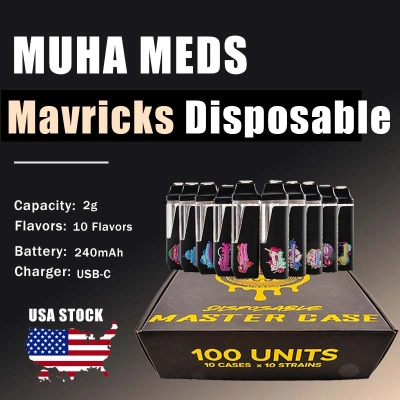
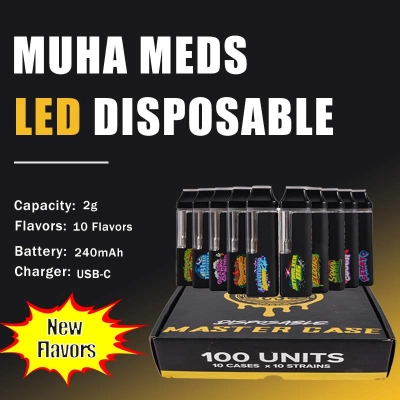
On MuhaMedsWholesale, the New Arrivals area is organized to help buyers segment inventory by capacity, edition, and regional warehouse availability. This matters because 2025 drops often come in waves: a limited edition launch, then a regional replenishment, then a packaging refresh (same SKU name, different carton run). Your job is to buy the version your customers expect—consistently.
How to think about the 2025 lineup (capacity, editions, regions)
1) Capacity first: reduce mismatch returns
Many buyer disputes aren’t “quality issues”—they’re expectation mismatches. The fastest way to reduce ticket volume is to make capacity the primary filter in your internal catalog. Build your assortment matrix around capacity tiers, then map each tier to your top channels.
- 1g tier: fastest SKU rotation, best for trial bundles and quick replenishment cycles.
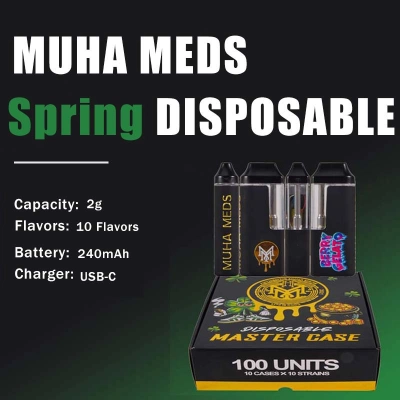
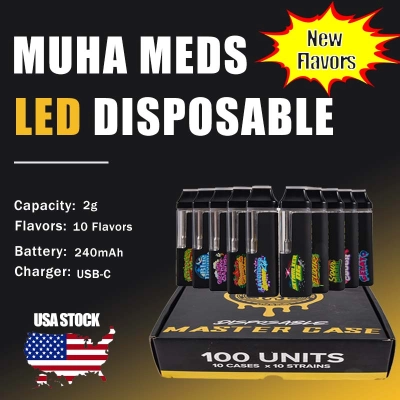
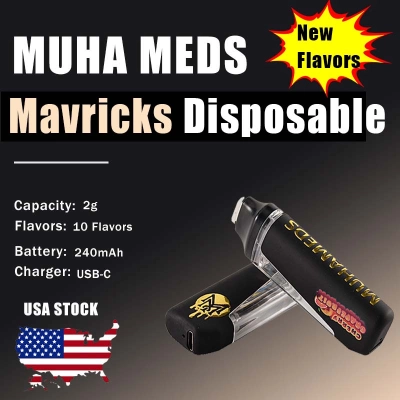
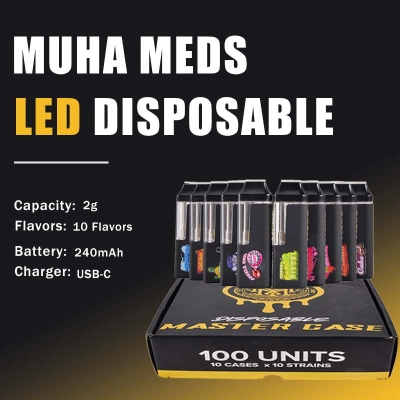
- 2g tier: highest demand stability; ideal for most wholesale accounts and repeat orders.
- 3.5g tier: higher AOV potential, but needs tighter QC + packaging checks because cartons are heavier and shipping risk rises.
2) Edition strategy: sell the story, not just the device
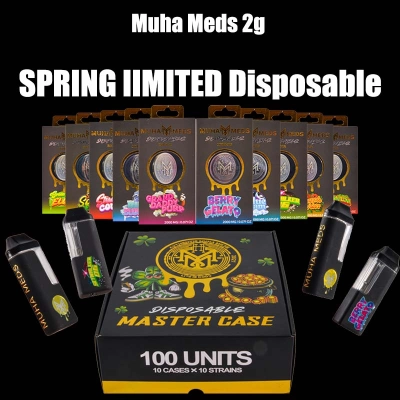
Editions (for example seasonal runs) are a merchandising tool. The right play is to assign each edition to a “story slot” in your storefront: limited-run, seasonal, region-stock, or wholesale-only. That makes your product pages clearer and prevents customers from mixing editions when they reorder.
3) Region-stock reality: align promises with warehouse location
When a site supports EU and USA warehouse programs, the practical advantage is lead-time confidence—if your listing language reflects the warehouse you’ll actually ship from. Treat “stock location” as a first-class attribute in your inventory system (SKU suffix, tag, or variant).
Spec sheet: what to confirm before you buy
You don’t need an engineering degree to buy well—but you do need a spec sheet. Ask for the same fields every time, then store them in a simple template so your team can compare runs quickly.
Hardware & usability checks
- Charging interface: confirm port type and whether cable is included.
- Battery behavior: verify indicator behavior (LED/screen) and cut-off protections (overcharge/short).
- Airflow feel: note whether airflow is fixed or adjustable; record “tight/medium/airy” in your catalog.
- Draw consistency: ask if pre-shipment sampling includes leak checks and draw testing.
- Packaging match: confirm carton count, carton labeling, and any outer master markings.
Operational checks that prevent escalations
- Batch/lot identification: where it appears (outer carton, inner box, device) and how it’s formatted.
- Photo set request: ask for “6-angle device photos + box photos + master carton label photo.”
- MOQ and replenishment cadence: can you reorder the same run, or is it a one-time release?
- Warehouse pick constraints: confirm “same-day” cutoffs and how mixed-SKU orders are packed.
- Damage policy: define acceptable breakage rate and the evidence required for claims.
Tip: If you sell across multiple channels, store one “public spec” (what customers see) and one “ops spec” (what your receiving/QC team uses). This keeps listings clean while still protecting your operations.
Packaging & authenticity cues buyers should request
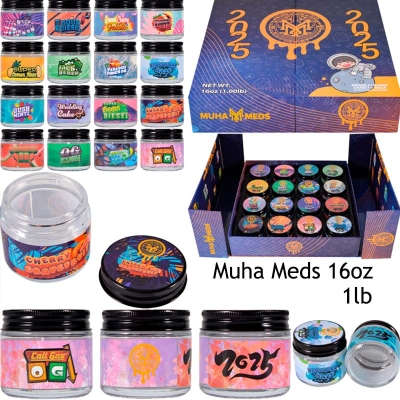
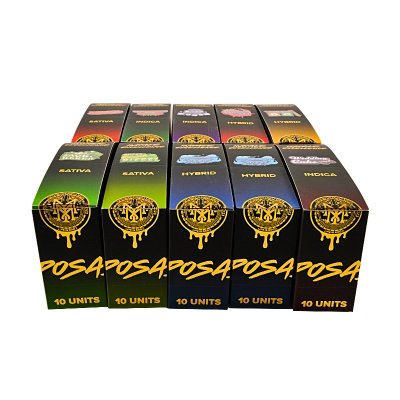
In 2025, packaging is not only branding—it’s a supply chain tool. Your goal is to confirm that the packaging run aligns with the inventory you’re about to sell. Ask for packaging photos and a carton label photo for every PO, even if it’s a repeat SKU name.
What to request from suppliers (simple, repeatable)
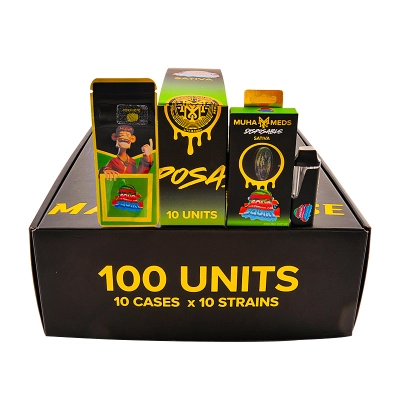
- Master carton label photo: shows lot/run info and helps receiving teams match inbound shipments.
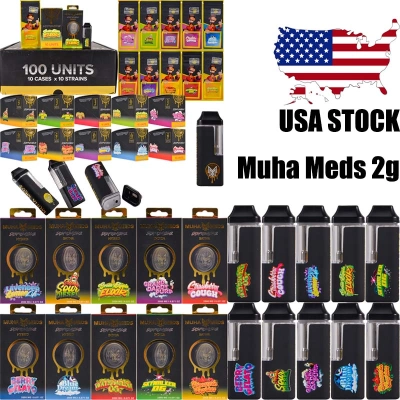
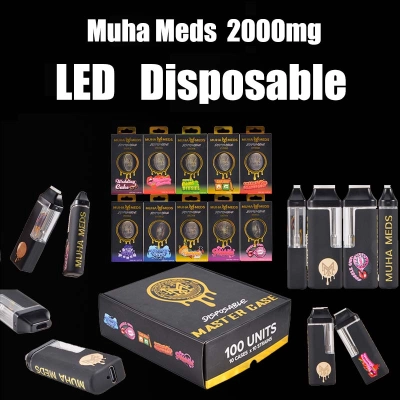
- Inner box “front/back” photos: ensures edition/artwork matches what you list online.
- Tamper-evident cues: note where seals appear and how they look when intact.
- Consistency across units: ask whether there were any mid-run packaging changes.
If Google or marketplaces rewrite your titles and displays, consistent on-page headings and consistent packaging nomenclature help keep your product pages aligned with what buyers search (and what they receive).
Receiving QC: a 30-minute checklist per carton
A lightweight QC process catches the most expensive problems early: mixed SKUs, wrong edition packaging, crushed cartons, missing inserts, and inconsistent device appearance. You can do this without opening every unit.
Step-by-step (fast, realistic)
- Carton exterior: photograph all sides before opening; note dents, wet spots, and re-tape.
- Count & match: verify units-per-carton and SKU names against your PO and listing plan.
- Spot-check units: open a small sample, confirm appearance is consistent, and that packaging matches your product page images.
- Device handling: check for obvious defects (cracks, loose parts) and ensure indicators present as expected.
- Document everything: store photos by PO number and date for quick claim resolution.
The win isn’t “perfect QC”—it’s repeatable evidence. Once you have predictable photos and logs, disputes become faster to resolve.
Warehouse & lead-time planning (EU/USA stock)
If you sell wholesale, the best customer experience is predictable delivery. When your supplier supports multiple regional warehouses, use that as a merchandising feature: “ships from EU stock” or “ships from USA stock” as a controlled promise on your listings.
Practical planning tips
- Split inventory by region: treat EU and USA stock as separate “bins” so you don’t oversell one location.
- Keep edition images region-specific: avoid mixing photos from different packaging runs in one listing.
- Reorder triggers: set a low-stock threshold per region rather than site-wide.
- Carton-level labeling: ensure “warehouse location” is visible on inbound labels to speed receiving.
How to list 2025 drops without overselling or getting returns
Use a clean, consistent title pattern
Keep titles readable, put the core query first, then edition/capacity, then your store brand last. Avoid stuffing. Make the on-page H1 match the visible headline and your title tag as closely as possible—this reduces the chance that search engines substitute a different text from your page.
Write “promise-safe” bullets
- What’s included: device + packaging units-per-lot/carton breakdown.
- What varies: edition artwork, carton run, and regional availability may change across restocks.
- What you verify: photos and carton labels confirmed per PO (this builds buyer confidence).
Keep your product page images synchronized with the specific run you’re shipping. If you change a photo set, update the page headline too. Consistency is what reduces “not as described” claims.
FAQ for wholesale buyers
How do I track what’s truly “new” in 2025?
Use the New Arrivals page as your baseline, then record a change log by PO date: what you bought, from which warehouse, and what the packaging looked like. This creates a simple internal “release history” you can reference when customers reorder.
What’s the fastest way to reduce disputes?
Two things: (1) make capacity a primary listing attribute, and (2) keep a carton-level photo log for every inbound shipment. Most disputes can be resolved with clear documentation in minutes instead of days.
Do I need a heavy QC program?
Not necessarily. Start with carton photos + a small sample inspection per carton. The goal is fast detection of mismatches (wrong edition, mixed SKUs, damaged cartons), not lab-level testing.

0 Comments