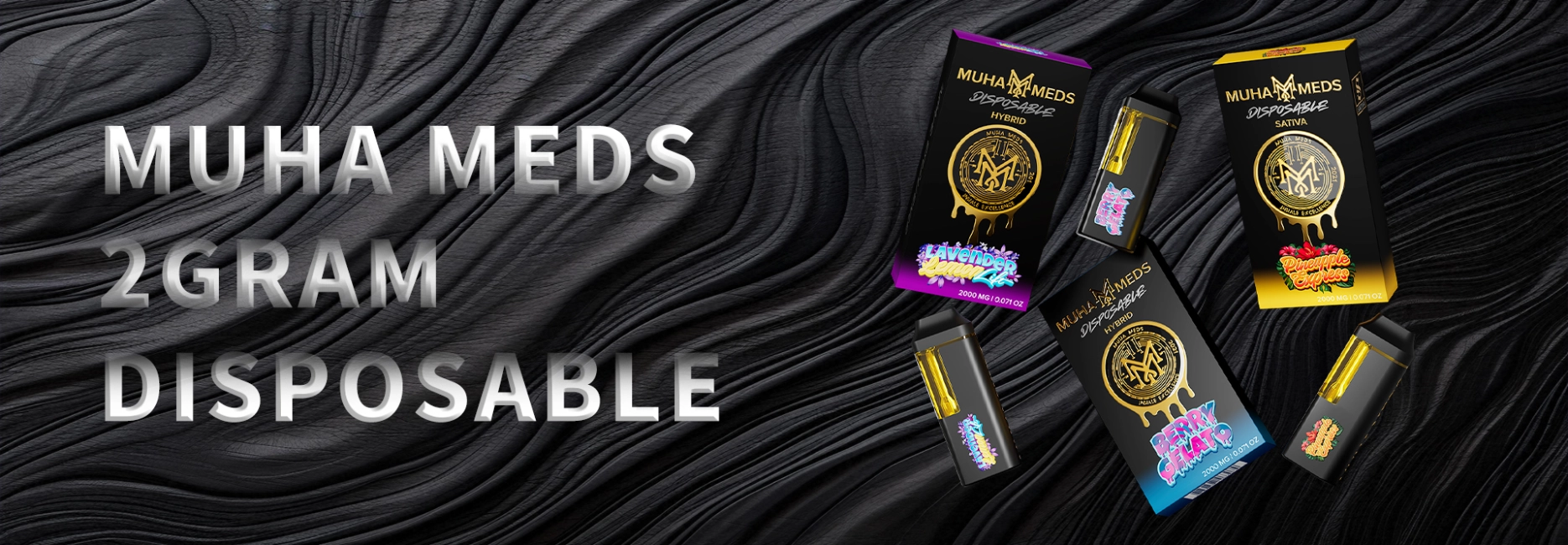
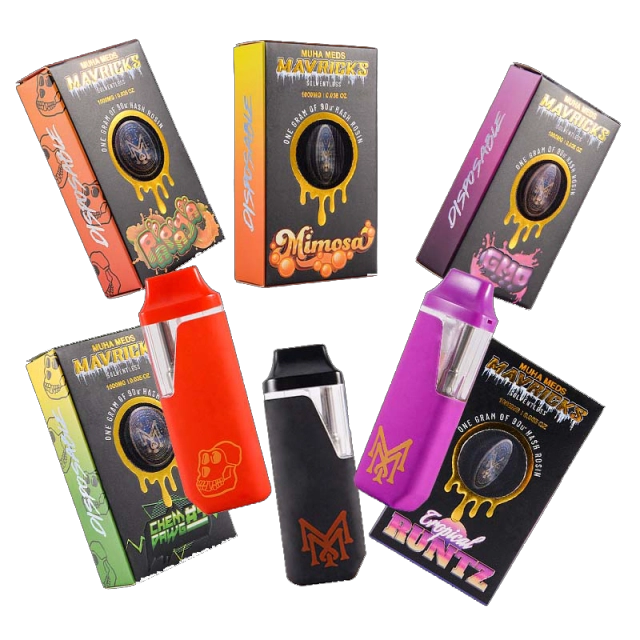
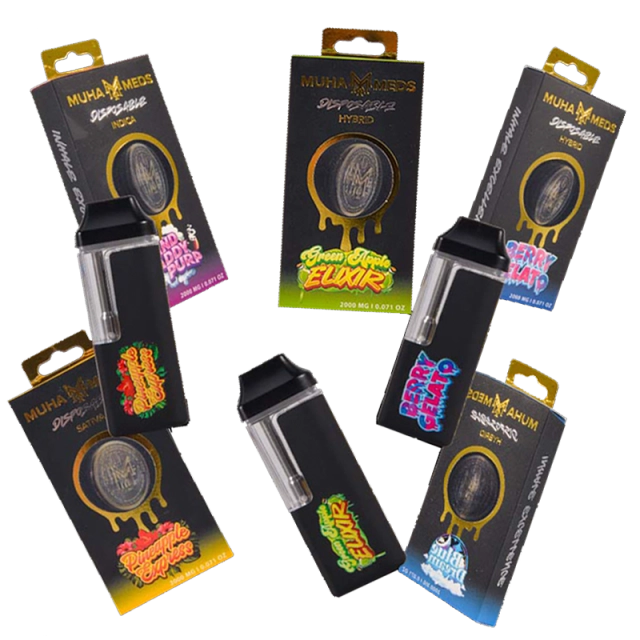
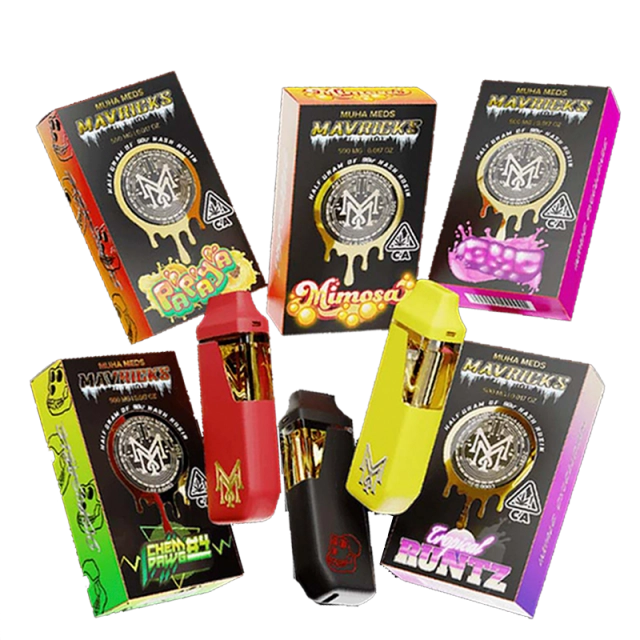
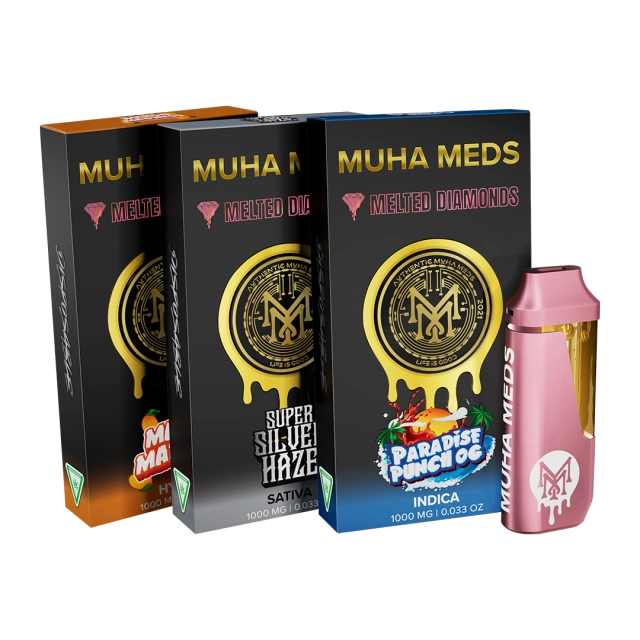
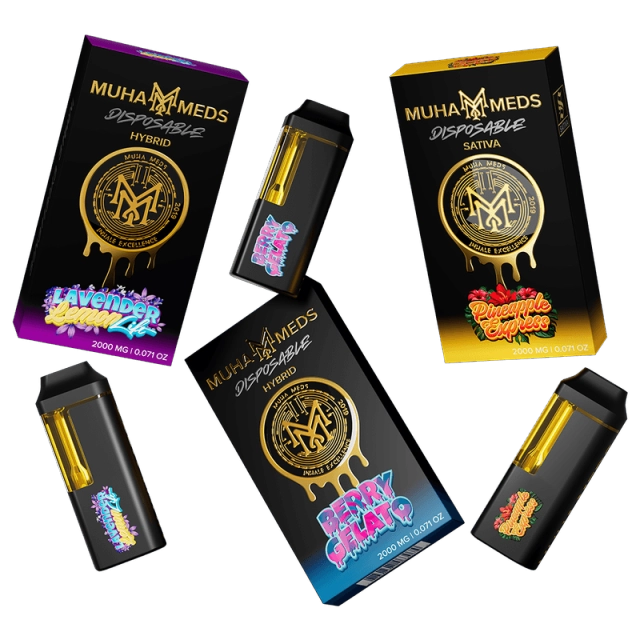
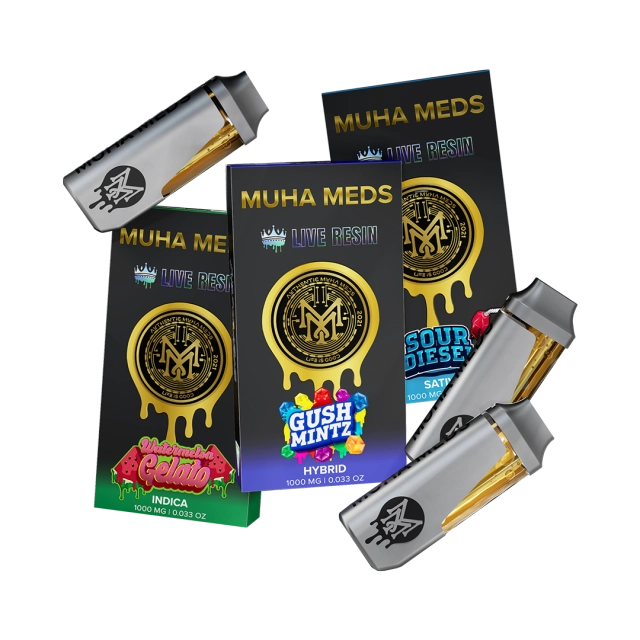
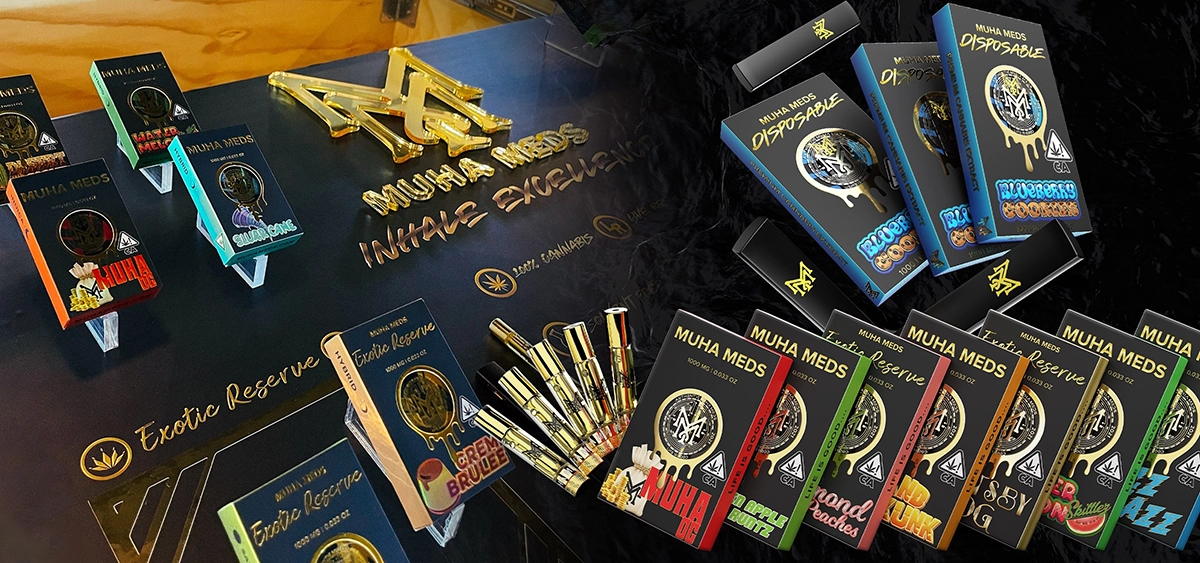
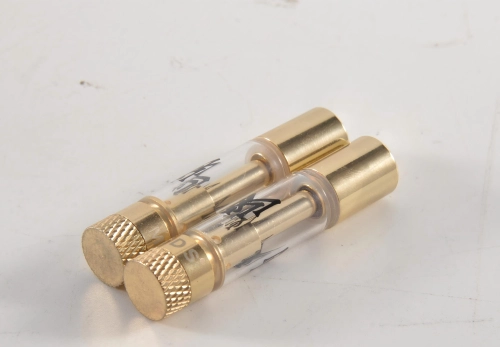
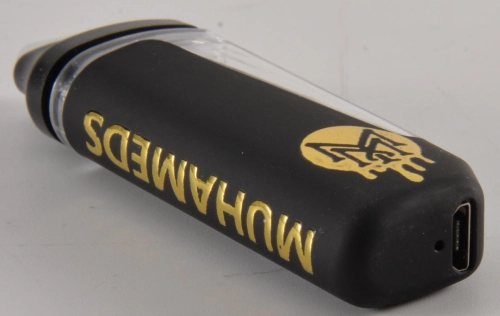
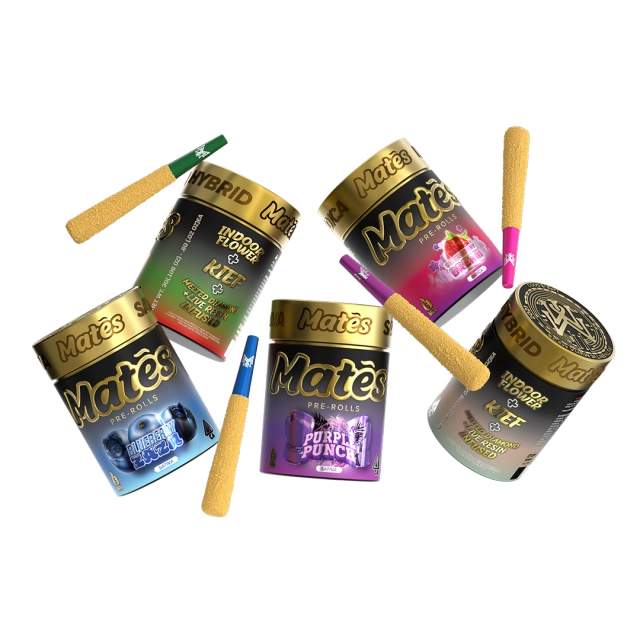
Muha Meds Bulk Online: How Can You Stay Safe?Muha Meds Bulk Online: How Can You Stay Safe? Buying Muha Meds bulk online can be useful for retailers, distributors, and purchasing teams, but safety depends on clear product scope, supplier review, payment control, and accurate records. In this guide, every product discussed is empty only. That means it is not prefilled and does not include oil, e-liquid, nicotine, THC, CBD, cannabis, concentrate, or any active ingredient. Last reviewed: April 2026 Quick Answer To stay safe when sourcing Muha Meds bulk online, retailers should confirm empty only product scope, verify supplier details, review product photos and records, use safer payment steps, inspect shipments on arrival, and avoid claims that suggest official authorization unless written proof exists. What “Empty Only” Means Before You Order The first safety step is understanding the product scope. “Empty only” means the item is supplied unfilled. It should not be described as containing oil, e-liquid, nicotine, THC, CBD, cannabis, concentrate, or active ingredients. This wording should appear clearly in the product title, product notes, invoice description, and internal purchasing record. This matters because vape-related words can be misunderstood. Public guidance from the FDA explains that electronic nicotine delivery system products and related components can fall into a regulated product context. For a B2B article, the safest approach is to keep the wording factual and make the empty only status clear from the beginning. Retailers comparing formats can also review Muha Meds 1g empty disposable options when they need a smaller empty product category for inventory planning. The link belongs naturally in a section about capacity and category selection, not in a sales-heavy paragraph. Step 1: Check the Supplier Before You Pay Online sourcing begins with supplier review. A safe retailer workflow should include business identity checks, clear contact details, product photos, category consistency, sample availability, and written order terms. Do not rely only on a low price or a screenshot. Ask for information that can be saved in your purchasing folder. A practical supplier review can include the business name, website domain, contact email, order history, product scope, minimum order quantity, packing details, and lead time. If any detail changes during the conversation, record the change before sending payment. Small mismatches can create larger receiving problems later. The Better Business Bureau notes that scams can affect businesses of any size and that small businesses may be more vulnerable when they lack stronger accounting or cyber security processes. That makes documentation, payment review, and careful communication especially important for online wholesale sourcing. Step 2: Match the Product Page to Your Buying Intent Retailers should match each product page to the actual category they need. If the purchase is for empty cartridges, the order should not be mixed with unrelated formats. A clear category path reduces internal mistakes and helps purchasing teams build a repeatable sourcing process. For cartridge-focused orders, buyers can compare empty Muha Meds cartridges as a category reference. Use this type of category link when the paragraph is about cartridge selection, not as a general link placed randomly in the article. The goal is not to push a fast purchase. The goal is to help a retailer understand where the product belongs in its catalog, what records should be kept, and what checks should happen before a repeat order. Step 3: Review Product Records and Visual Consistency Safe online buying depends on records. Retailers should compare product photos, color, name, packaging, carton quantity, and SKU notes before approval. Keep a copy of the product page, order message, invoice, and receiving photos. These records help your team resolve disputes and reorder accurately. If you need an example of a product-level page for record review, the Empty Muha Meds 2G LED Disposable page can be used as a product reference. Place this link only where the article discusses product-level examples, not in the opening paragraph. If verification codes, QR checks, or package records are available for a relevant product line, they should be treated as one part of a wider review process. The public Muha Meds verification page describes verification by scratch-off code for second-generation products and app scanning for newer products. Retailers should not treat any single check as a replacement for supplier review, invoice control, and shipment inspection. Step 4: Use Safer Payment and Order Controls Payment safety is a core part of wholesale buying. Before paying, confirm the order quantity, product description, empty only status, delivery method, lead time, refund or replacement terms, and any receiving inspection rules. If the supplier changes payment details at the last minute, pause and confirm through a second trusted contact channel. For larger orders, consider using staged payments, written purchase orders, and internal approval steps. Keep bank details, payment proof, and message history in one folder. If your company has more than one buyer, require a second review before paying a new supplier or changing payment information. FTC business guidance says advertising and marketing claims should be truthful, not misleading, and evidence-based where appropriate. Apply the same mindset to online sourcing: product claims, availability claims, and pricing claims should be clear enough to document. Step 5: Inspect the Shipment Before Reordering A safe purchase is not finished when payment is sent. It is finished only after receiving inspection. When the shipment arrives, compare the actual goods with your purchase record. Check product names, count, packaging, visual consistency, carton condition, and any records agreed before shipping. If anything is missing or inconsistent, photograph it immediately and contact the supplier with the order number and clear notes. Do not place a larger reorder until the first order has passed your internal review. A small test order is often easier to manage than a large order with unresolved differences. Retailer Safety Checklist Confirm every product is described as empty only. Check that no oil, e-liquid, nicotine, THC, CBD, cannabis, concentrate, or active ingredient is included. Save product pages, quotes, invoices, photos, and message history. Confirm business identity, contact details, MOQ, lead time, and shipment terms. Use a second review step for new suppliers or changed payment details. Inspect shipments before accepting them into inventory. Keep brand-related wording factual and avoid unsupported authorization claims. Brand Name Safety: Avoid Unsupported Claims Brand names can help buyers identify categories, but they should be used carefully. Avoid terms such as “official,” “authorized,” or “authentic” unless you have written proof that supports those claims. The USPTO explains that trademark confusion may occur when goods or services are related and consumers may believe they come from the same source. A safer B2B approach is to write factual copy: name the product category, state that it is empty only, explain the retailer review process, and document what the buyer should check. This keeps the article educational rather than promotional. Internal Linking Plan for This Article This article uses no more than five internal links. The main keyword anchor appears once near the beginning. Category links are used before product links, and the blog link appears only as further reading. This structure follows Google’s guidance that anchor text should be descriptive, concise, and relevant to the page being linked. For readers who want a deeper checklist after this overview, the Muha Meds online safety checklist can be used as a follow-up resource. It should appear near the end because blog links are lower priority than category and product links. Helpful External References For broader compliance and safety context, retailers can review the FDA ENDS overview, the Muha Meds verification page, the FTC advertising and marketing basics, the USPTO likelihood of confusion guidance, the Google link best practices, and the BBB small business scam tips. FAQ Is this a guide for filled products? No. This guide is for empty only B2B sourcing. It does not cover filled products, oil, e-liquid, nicotine, THC, CBD, cannabis, concentrate, or active ingredients. What is the safest first step when buying Muha Meds bulk online? The safest first step is to confirm product scope and supplier identity. Before discussing payment, make sure the product is empty only and that the supplier can provide clear product information, order terms, and contact details. Should a retailer check verification information? Yes, when verification information is available, it can be part of the review process. It should be combined with supplier review, invoice records, product photos, and shipment inspection. How many internal links should this article include? This article should include no more than five internal links. The links should be placed naturally, with category pages first, product pages next, and one related blog link only as further reading. Can the article use brand names? Brand names can be used for identification, but the article should not imply official authorization, partnership, or endorsement unless that relationship is documented. Disclaimer: This article is for B2B educational purposes only. It does not provide legal advice, health advice, filling instructions, vaping instructions, or guidance related to controlled substances. Products discussed are empty only. Retailers should review applicable laws and business requirements before importing, labeling, distributing, or reselling related products.