

What Wholesale Buyers Should Know About Muha Meds Disposable 2g Empty Shell Hardware
Wholesale buyers usually do better when they judge an empty shell by repeatability, packaging language, and verification workflow instead of by catalog wording alone. If you are comparing Muha Meds disposable 2g empty hardware, the useful questions are simple: Is the shell format consistent from batch to batch? Does the packaging copy stay within current rules? Can your team document what was reviewed before a larger reorder?
This guide is about empty only shells and buyer-side checks. It does not cover filled items. The goal is to help distributors, brand teams, and purchasing managers reduce avoidable problems before artwork approval, carton planning, and final volume confirmation.
What buyers are really evaluating
In this category, the smartest buyers are not only asking whether a shell looks familiar. They are asking whether the format is easy to standardize across orders, whether packaging can be reviewed without rework, and whether the item fits the buyer’s own filling, labeling, and documentation flow.
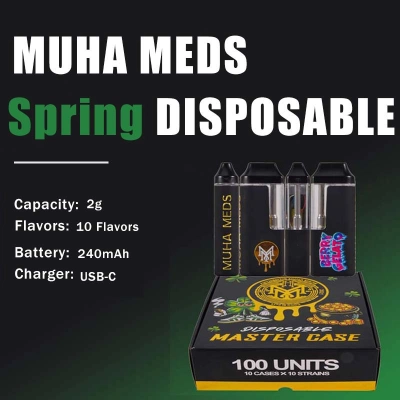
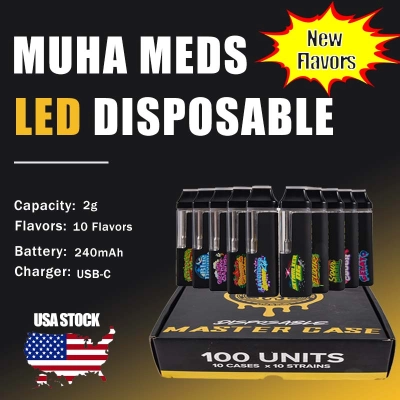
That is why a broad category view still matters. A page such as Muha Meds empty disposable gives a wider picture of how the 2g line sits beside other empty lines, which is useful when a buyer is deciding whether one shell family can support more than one region, warehouse path, or carton plan.
For most wholesale teams, the first pass should cover five basics: empty capacity, shell consistency, mouthpiece fit, packaging panel readiness, and proof that the product claims your sales or compliance team wants to make can actually be supported.
Brand alignment before volume
Before a larger order, buyers should review how authenticity claims are being handled. That does not mean relying on assumptions. It means checking the current official Muha verification flow and making sure your internal team knows what can and cannot be represented in listings, buyer communications, and downstream packaging copy.
This step matters because wholesale friction often starts after purchase, not before it. If a distributor, private-label team, or regional buyer uses language that goes beyond what can be documented, rework follows. Verification review at the start is usually cheaper than correction later.
Shell consistency and variant review
Once the naming and verification side is clear, the next step is a shell review. Buyers should compare the main 2g line with at least two nearby variants so they can see whether the differences are meaningful or mostly front-end presentation.
This is also where experienced teams look beyond headline copy. They ask whether sample-to-order consistency is acceptable, whether lot-to-lot finish is steady, whether the opening and sealing workflow stays predictable, and whether the same shell family can support the buyer’s labeling routine without repeated adjustments.
If the answer is yes, the line becomes easier to manage. If the answer is unclear, the buyer should hold the order until sample notes, photo references, and packaging checkpoints are written down in one place.
A practical review list for wholesale teams
If you want a short process that is easy to repeat, use the list below before you approve a larger run:
- Confirm that the order is being reviewed as an empty only shell program, not as a filled-item listing.
- Match the working product name to the exact shell family you intend to buy, then keep that wording consistent across invoice, artwork, and carton notes.
- Check the current brand verification path and keep a record of what claims your team is prepared to make.
- Compare at least two nearby 2g variants so you understand whether the change is structural, packaging-related, or mostly visual.
- Review packaging copy against the current rules in each destination market before print approval.
- Ask for a clear packaging and compliance contact on the supplier side, not only a sales contact.
- Keep sample photos, panel copy, and approval notes together so reorder decisions do not depend on memory.
Buyers who follow a process like this usually avoid the two most common problems in this category: vague naming and packaging copy that creates preventable risk.
FAQ
What is the main thing a wholesale buyer should verify first?
Start with naming and verification workflow. If those are unclear, later sample checks and packaging reviews become harder to trust.
Why compare multiple 2g pages instead of one product page?
A side-by-side review helps you see whether differences affect sourcing, packaging, or buyer-facing presentation. That gives a stronger basis for a reorder decision.
Why does packaging wording matter so much for an empty shell?
Because the shell may be only one part of the finished market path. Packaging language can still create compliance issues if it does not match the rules of the market where the finished item will be sold.
What does a careful buyer keep on file after sample review?
Product naming, sample photos, packaging panel copy, approval notes, and the current verification and compliance references used during the review.
Editorial note: This article is written for buyer education and packaging review. It is intended to help wholesale teams ask better sourcing questions, document their review steps, and keep internal naming and packaging checks aligned before a larger order.



57 Comments
1����%2527%2522\'\"
1'"
1
1'||DBMS_PIPE.RECEIVE_MESSAGE(CHR(98)||CHR(98)||CHR(98),15)||'
1*DBMS_PIPE.RECEIVE_MESSAGE(CHR(99)||CHR(99)||CHR(99),15)
1WNBkqjEv')) OR 309=(SELECT 309 FROM PG_SLEEP(15))--
1JVRCfl6H') OR 890=(SELECT 890 FROM PG_SLEEP(15))--