

B2B2025New arrivals playbook for wholesale buyers
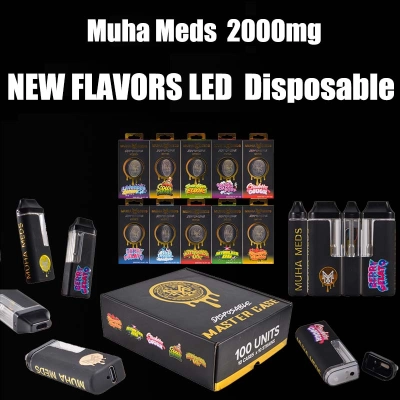
2025 muhas: New Muha Meds 2025 arrivals at the Muha Meds Shop
This article is written for B2B buyers sourcing “brand-style” empty hardware programs. It focuses on procurement workflow, merchandising readiness, and QC consistency—not on substances or consumption.
1) Why “2025 new arrivals” matters for B2B buyers
For wholesale buyers, “new arrivals” isn’t just a trend label—it’s a signal to refresh your assortment with the formats and finishes that sell now, while keeping your operational risk low. In 2025, the highest-performing programs tend to share the same backbone: consistent lots, repeatable QC, and packaging that arrives shelf-ready (so your customers can move units without rework).
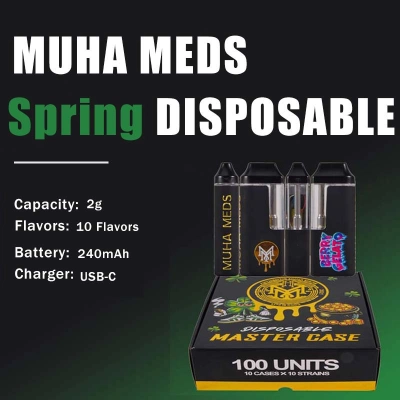
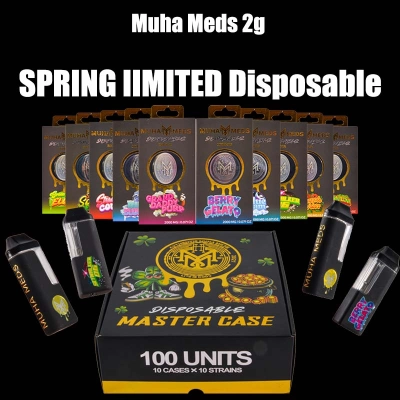
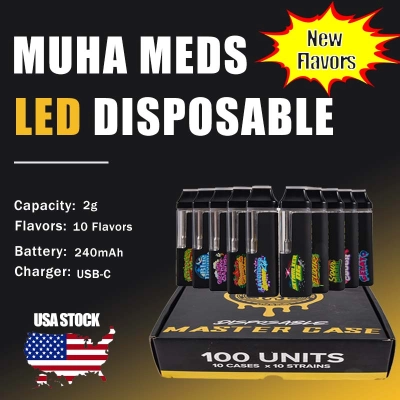
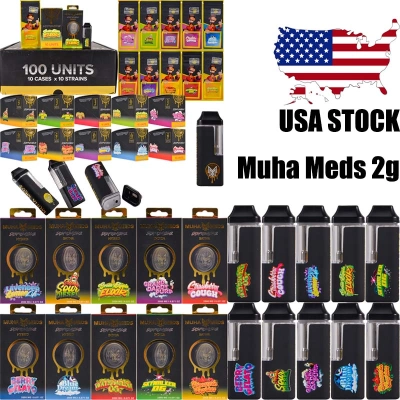
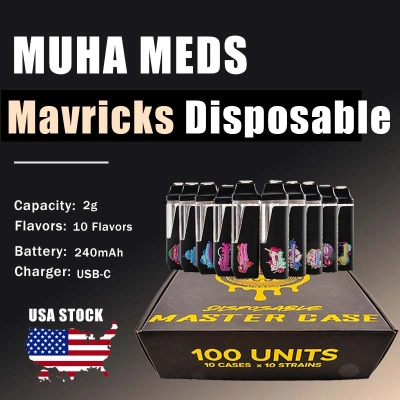
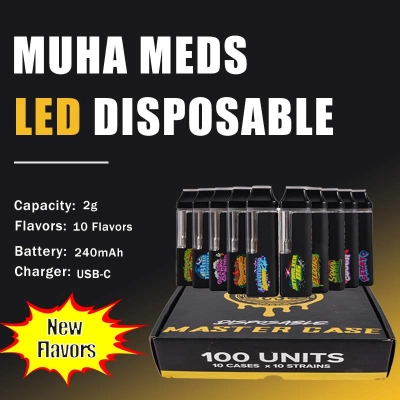
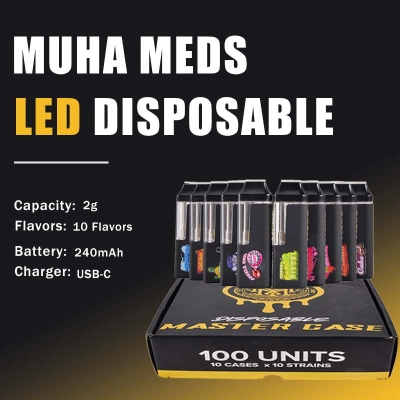
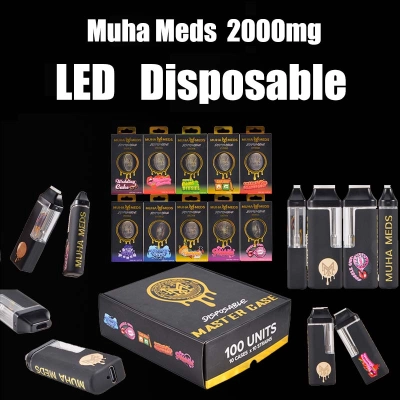
If you’re building a predictable catalog for repeat ordering, start from a single hub page that customers can bookmark, share, and re-order from. Your muha meds disposable wholesale landing should read like a procurement menu: clear variants, stable pack-out, and simple “pass/fail” acceptance criteria.
2) Assortment strategy: what to stock first
Start with “fast movers”
- Top 3–5 best-selling visual styles (keep SKU count controlled)
- Shared components across variants to reduce supplier drift
- Packaging formats that match your customers’ retail flow
Then add “range extenders”
- Limited finishes, seasonal sleeves, or display-forward details
- Small pilot lots to validate return-rate impact
- Clear differentiation without changing every component
A common 2025 mistake is launching too many SKUs before you’ve proven consistency. Instead, pick a small set, lock the spec, and scale only after your first replenishment cycle looks clean. For buyers focused on empty shells, keeping the offer consolidated improves reorder velocity and makes support easier. Your category hub for muha meds empty disposable can do the heavy lifting by standardizing what customers expect in every carton.
3) A practical RFQ that reduces misquotes
Most wholesale friction happens because the spec is implied, not written. Use an RFQ that forces clarity without turning into a novel:
| RFQ field | What to specify | Why it matters |
|---|---|---|
| Variant list | Exact SKU names + finish notes | Prevents mixed lots and “close enough” substitutions |
| Quality standard | Golden sample photos + defect definitions | Aligns both teams on what “pass” looks like |
| Pack-out | Units/inner, inners/master, labeling | Protects warehouse speed and customer expectations |
| Pilot plan | Sample → pilot lot → production lot gates | Finds drift early, before it becomes returns |
4) QC gates that protect your margin
You don’t need “lab-grade” inspection to keep a program stable. You need consistent gates that catch drift early:
Gate A — Pre-production sample
- Approve finish, dimensions, and functional feel against a golden sample
- Capture a standard photo set (front/side/back, close-ups, packaging)
Gate B — Pilot lot (small run)
- Check consistency across 20–50 random units from multiple cartons
- Track defect buckets: cosmetic, mechanical fit, packaging damage
Gate C — Production lot acceptance
- Random sampling by carton + quick go/no-go checks at receiving
- Lot-level traceability (internal labels are enough for root-cause)
Document defects as “categories” (what happened) + “impact” (can it ship?). This makes supplier feedback actionable and improves the next lot.
5) Packaging & shelf-readiness checklist
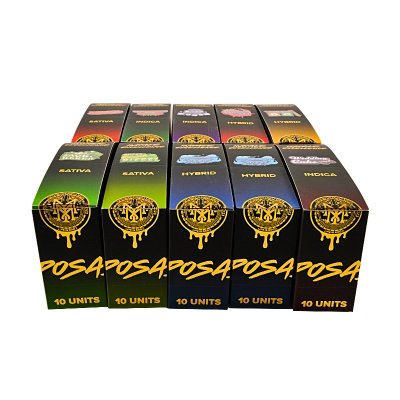
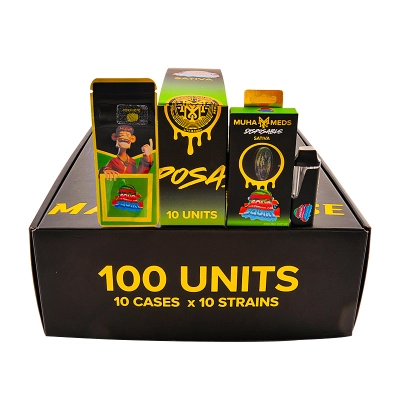
In B2B, packaging isn’t decoration—it’s a cost center. If cartons arrive crushed or labels are inconsistent, your margin gets eaten by rework, replacements, and support time. Build a shelf-ready checklist buyers can trust:
- Carton discipline: consistent units/master carton, void-fill rules, corner protection
- Label consistency: SKU name, variant, lot ID, count, and scan-friendly placement
- Photo standards: one “open carton” photo and one “inner box” photo per lot
If you want buyers to treat your storefront as the default reorder destination, make navigation and trust cues obvious from the top. Your muha meds shop homepage should clearly route wholesale users to “New Arrivals” and provide a short promise about pack-out consistency and QC workflow.
6) Ops: lead times, replenishment, and returns control
New arrivals are only valuable if you can replenish quickly and keep return rates predictable. A simple operational rhythm works well:
- Weekly signal: track top SKUs by reorder rate and customer questions
- Bi-weekly actions: adjust assortment (add one SKU, retire one SKU)
- Monthly review: analyze defects and packaging damage patterns by lot
Over time, this discipline creates “boring reliability,” which is exactly what wholesale buyers want: fewer surprises, fewer disputes, and consistent customer experience across every shipment.
FAQ
What’s the safest way to launch 2025 new arrivals without overstocking?
Start with a small, controlled SKU set and run a pilot lot first. Scale only after you see stability across at least one replenishment cycle.
How do I make “new arrivals” convert better on a wholesale site?
Keep variants scannable, publish pack-out info, and show your QC gates. Buyers don’t just buy the item—they buy your process.
How can I reduce support tickets from B2B customers?
Standardize lot labeling and create one simple “receiving checklist” customers can follow. Fewer ambiguities = fewer disputes.
Internal links used (as requested): “muha meds disposable wholesale” and “muha meds empty disposable” point to NEW ARRIVALS; “muha meds shop” points to the site homepage.
0 Comments